
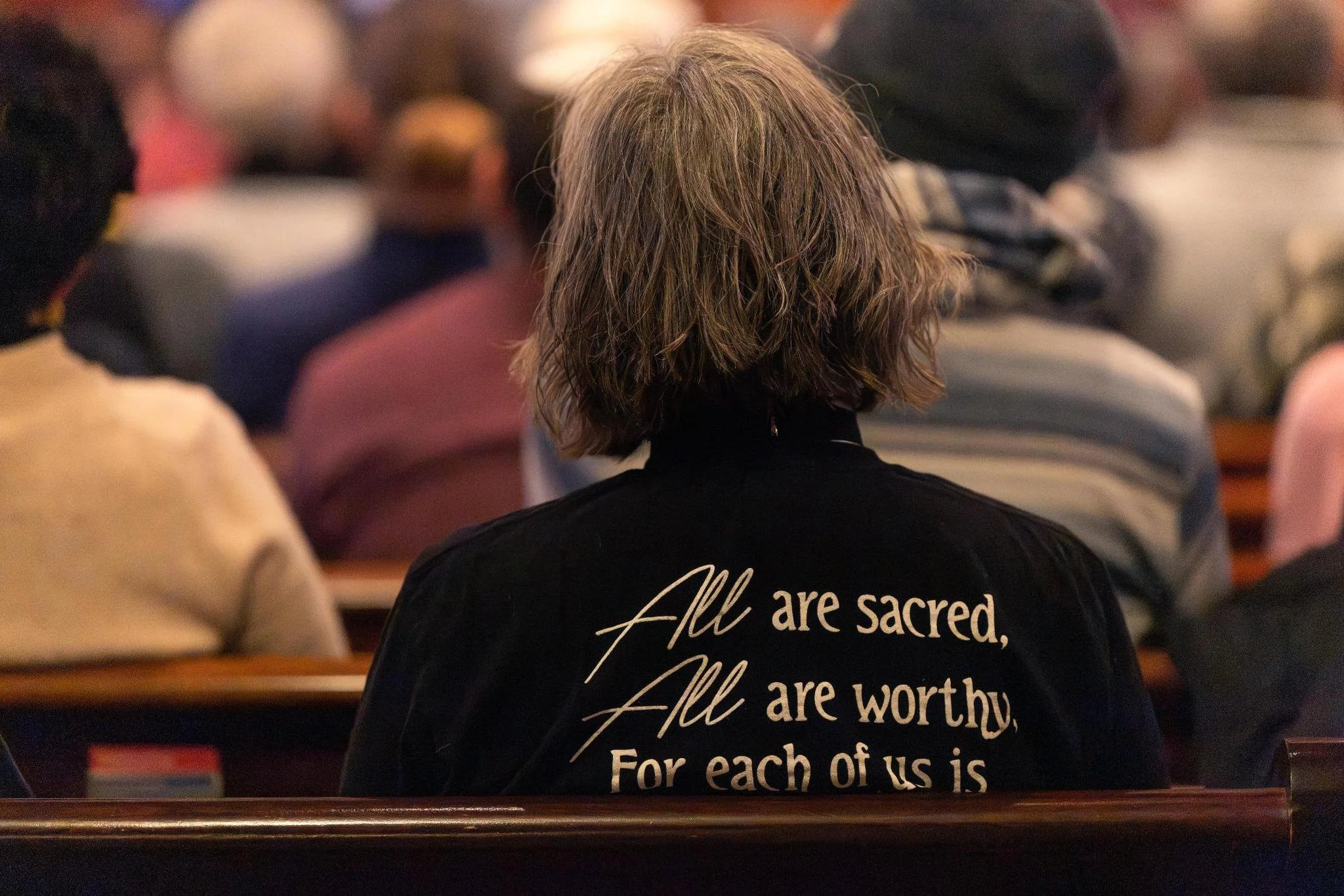
OUR MORAL CALL
Cruelty thrives where there are no witnesses.
ICE detention facilities depend on secrecy, isolation, and the erasure of human beings. We refuse that erasure.
This is a call to stand at the gates, to build bridges across disparate communities and state lines, to accompany those who have been taken, and to confront the machinery that sustains modern-day concentration camps.
The United States has repeatedly used incarceration and disappearance as tools of racial control — from Indigenous removal to enslavement, from internment to mass incarceration. We recognize the pattern. We name it. We resist it.
As people of faith and conscience, we choose accompaniment over silence and solidarity over fear.
OUR COMMITMENTS
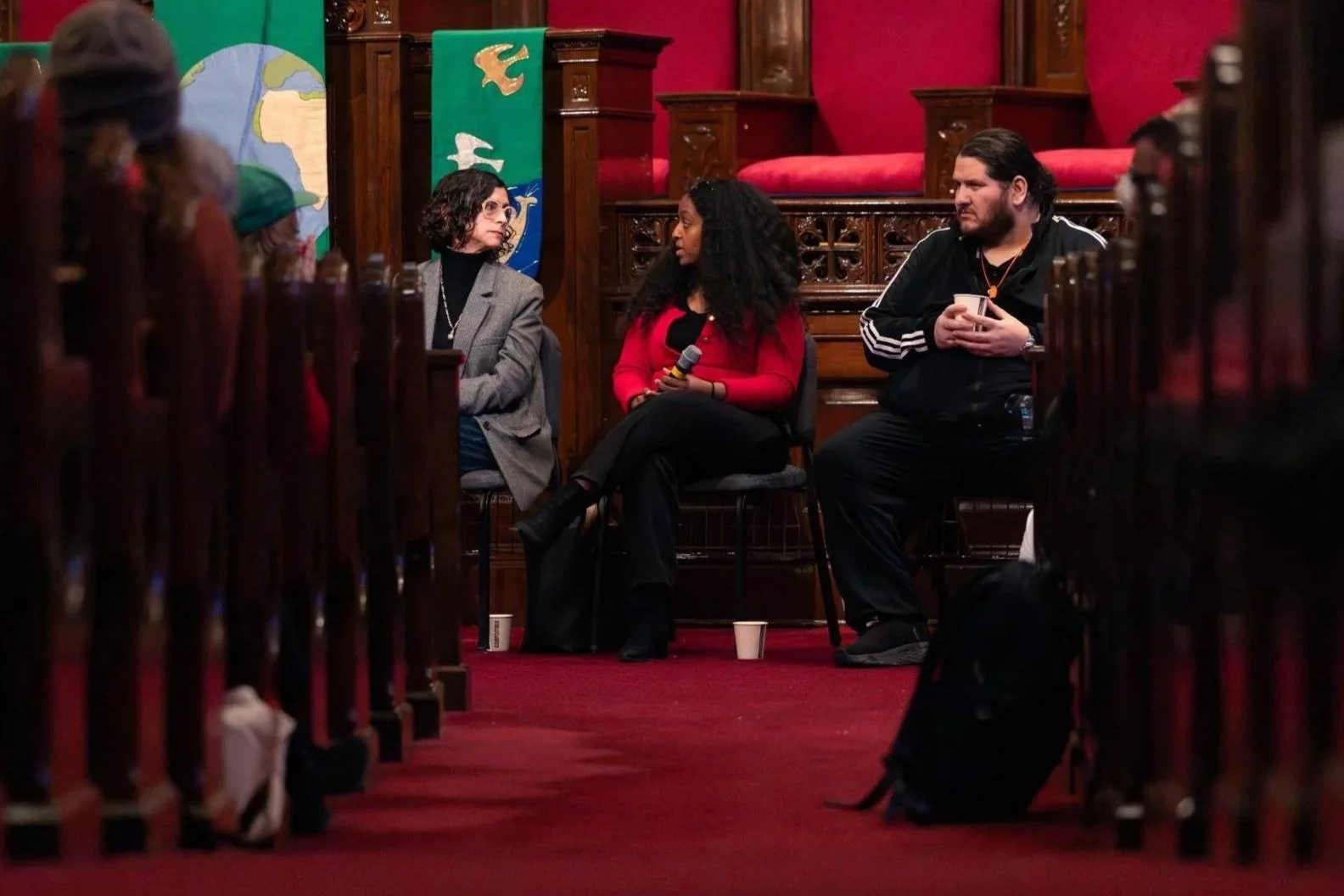
Center the voices and wishes of those directly impacted by seeking and developing relationships with individuals and groups representing individuals who are most affected and let their leadership shape our actions and our narrative. We maintain awareness that our contact with them can be a drain rather than a support. We find the middle way between followership and standing in the breach.
Keep this work centered in our values and our particular practice: multifaith, pro-queer, anti-racist, relational, and focused on collective liberation. We highlight what our own faith, spirituality, and traditions bring to the work.
Develop and maintain clear targets and demands that begin with freeing people, and include sustained disruption of and shedding light on the inhumanity of US immigration detention.
Develop and maintain partnerships with clear expectations for partnering with different organizations with clear roles for each partner organization; establish clear and consistent lines of communication
Improve clarity around how people can become a part of MARCH locally while also redirecting support to national organizations.
OUR WORK
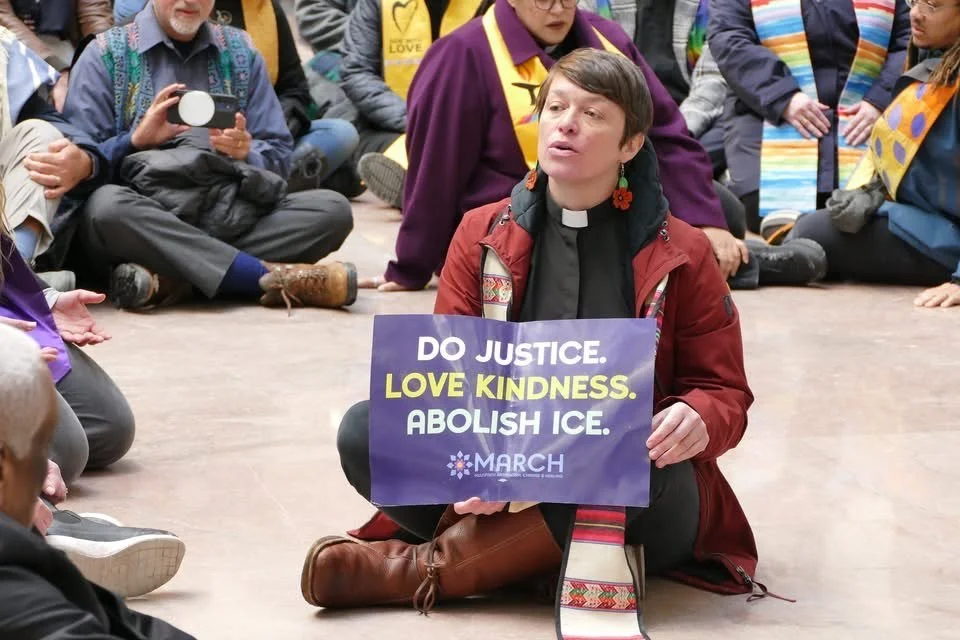
Acts of conscience rooted in the sacred belief that we must love our neighbors— all of them
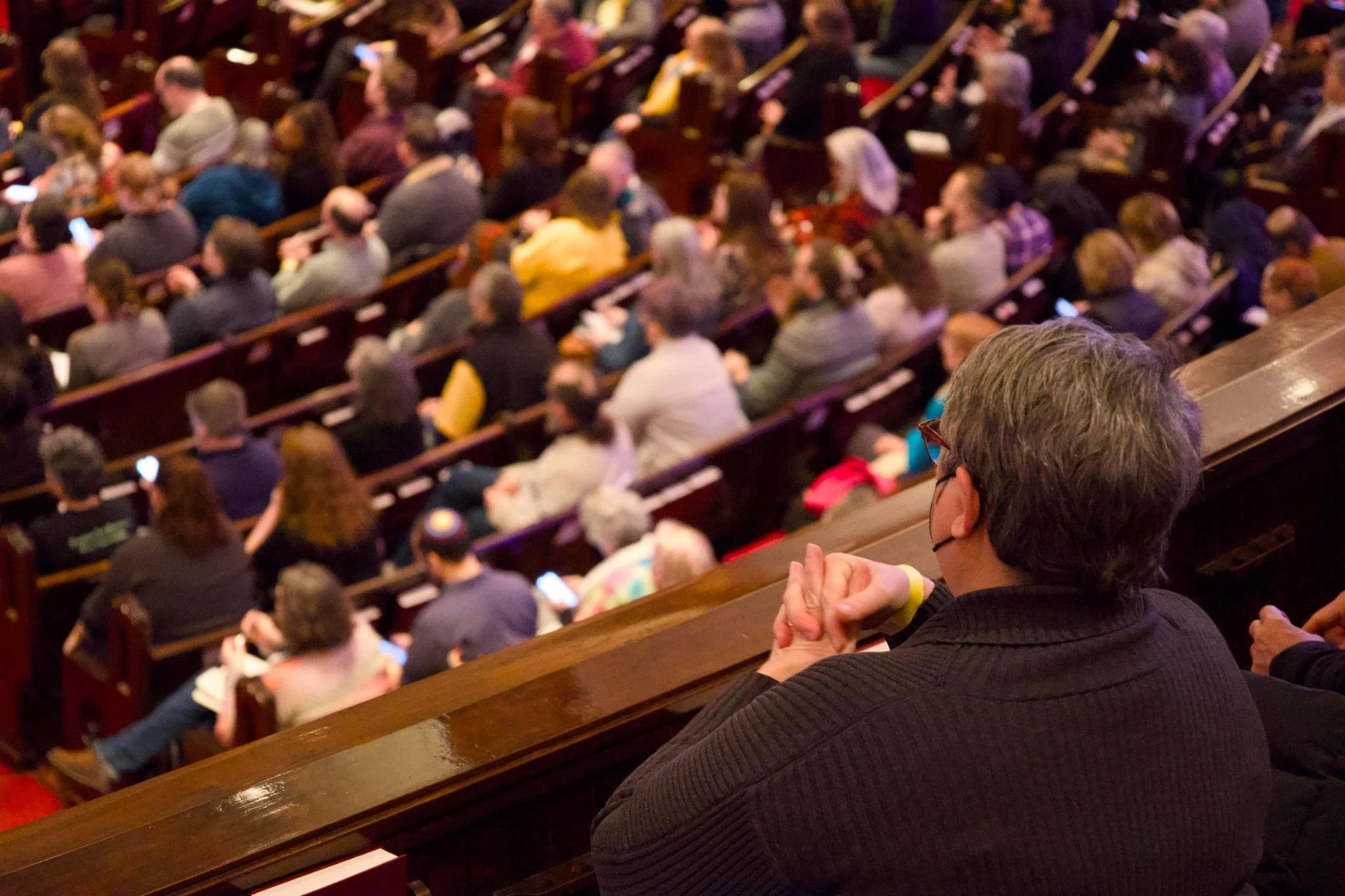
Resources to tend the spirit and stardust that nourishes our work
Curriculum and training for predominantly white churches undertaking the work of reparations
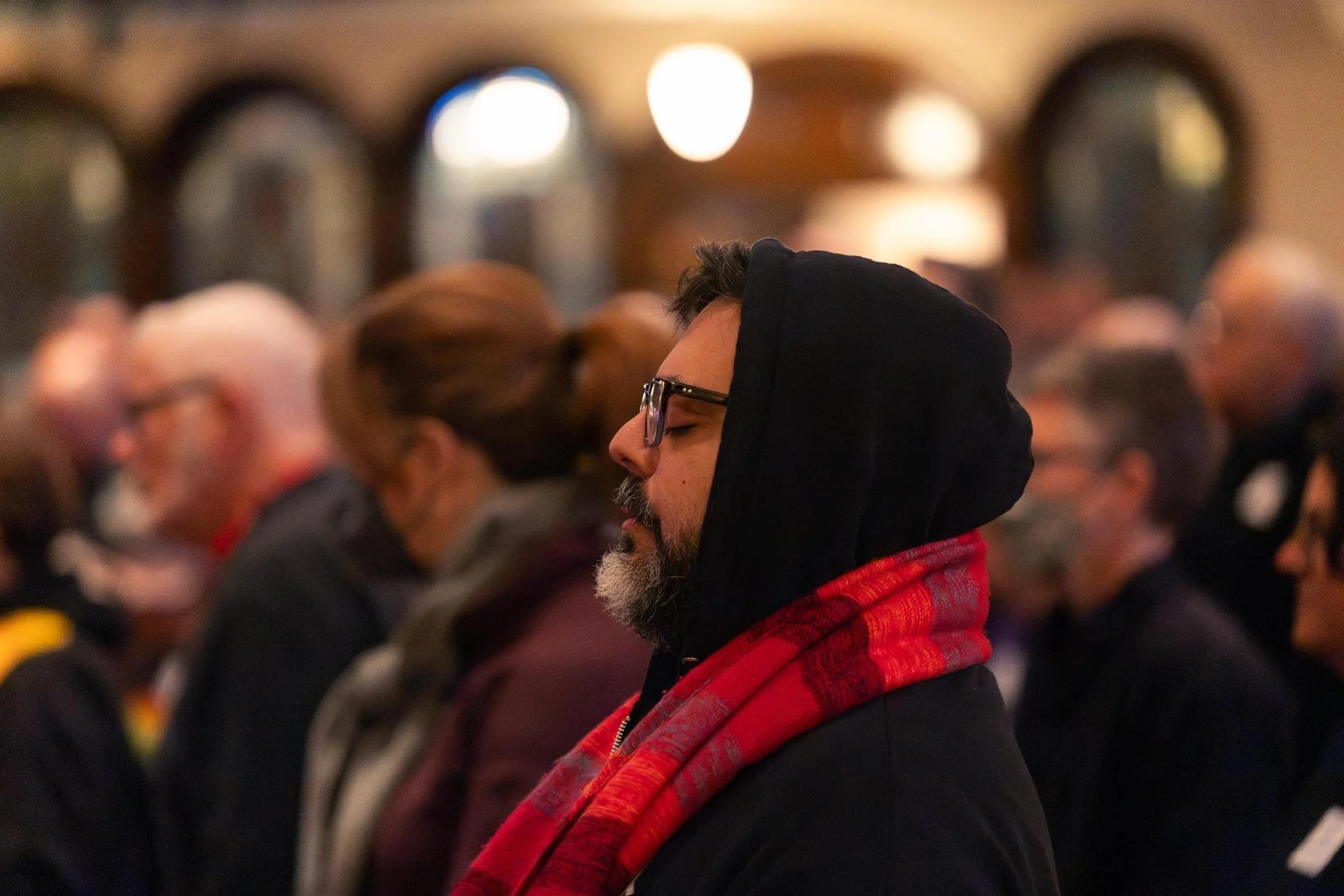
Exploring the intersection of spiritual practice and noncooperation